In Copenhagen’s evolving Nordhavn district, ESSE offers a dining experience shaped by restraint, ingenuity, and a deep respect for ingredients. Led by chef Matthew Orlando, the restaurant transforms overlooked produce, trimmings, and by-products into dishes that feel considered rather than compromised. Its approach is environmentally conscious, but the evening never resembles a lecture in sustainability. Pleasure remains the point.
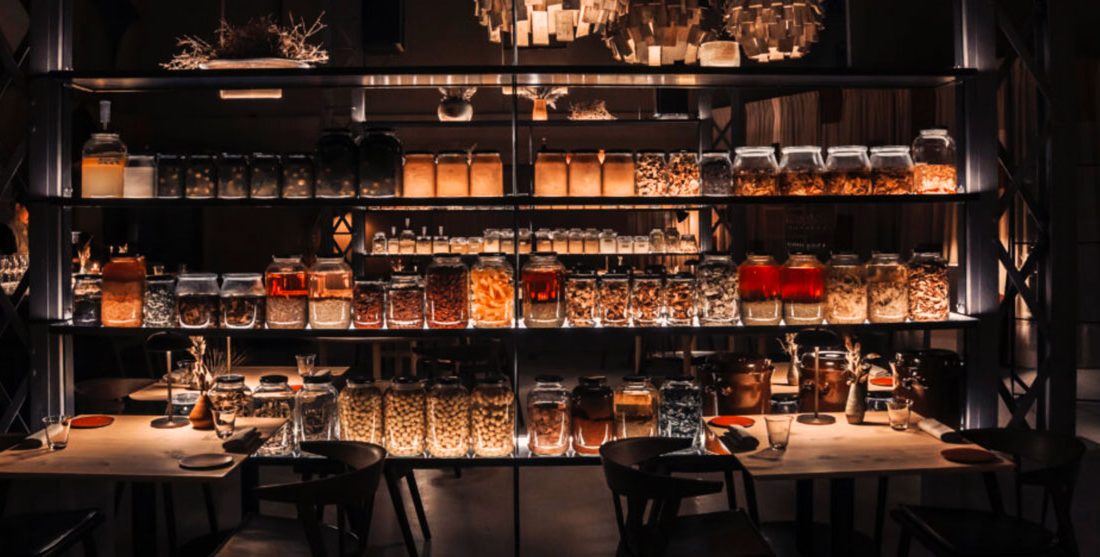
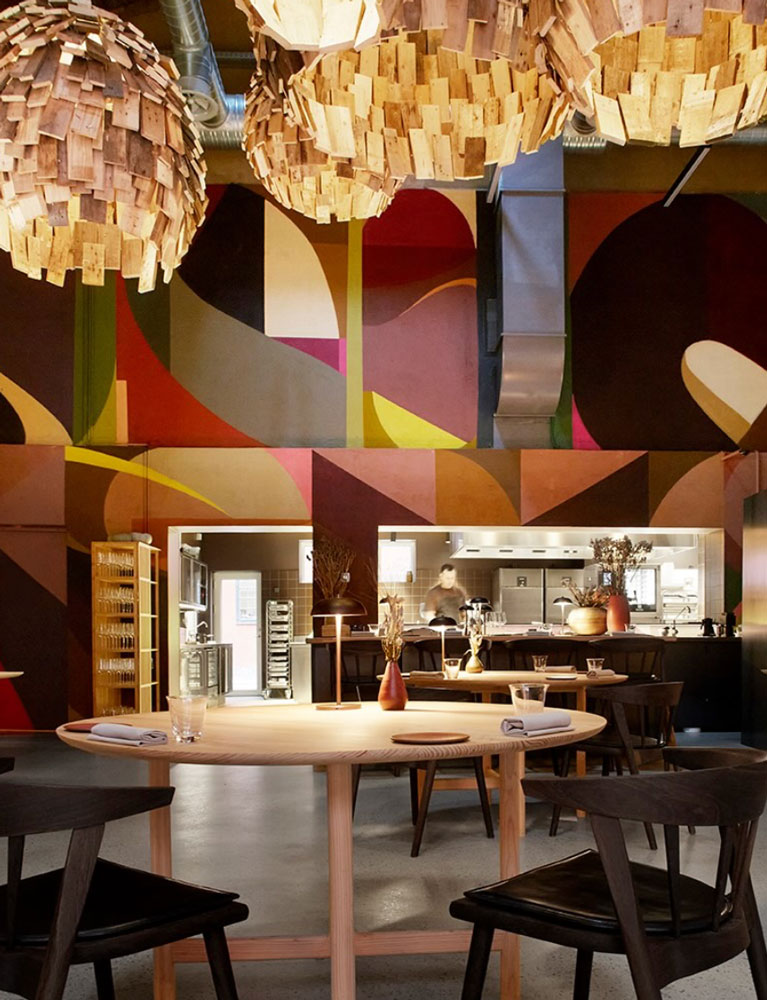
Set within a restored warehouse dating from 1895, ESSE pairs Nordhavn’s industrial character with the warmth of a contemporary Scandinavian dining room. Brick, timber, raw steel, sculptural lighting, and an open kitchen give the space a quietly expressive atmosphere. The surroundings acknowledge the building’s history while creating something unmistakably modern.
Recognized with its first Michelin star in 2026, ESSE represents a new chapter for one of Copenhagen’s most influential culinary voices. It is progressive without relying on spectacle, luxurious without conventional excess, and deeply connected to the city’s continuing conversation about how fine dining should evolve.
For Those Who Seek…
- Michelin-starred dining with a strong sense of purpose
- Creative Nordic cooking beyond familiar luxury ingredients
- Intimate evenings in Copenhagen’s emerging Nordhavn district
- Thoughtful wine and non-alcoholic pairings
- A restaurant where sustainability strengthens rather than restricts flavour
Legacy
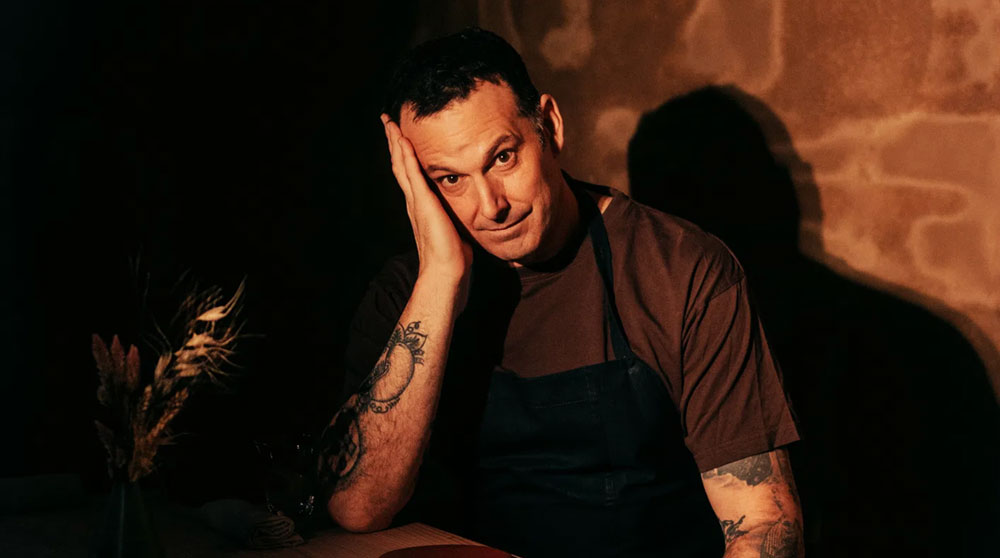
Matthew Orlando has long been associated with Copenhagen’s movement toward more responsible gastronomy. After working as a head chef at Noma, he founded Amass, where ingredient utilization, fermentation, responsible sourcing, and waste reduction became fundamental parts of the restaurant’s identity.
ESSE continues that work with greater maturity and a calmer sense of confidence. The restaurant does not attempt to recreate Amass, nor does it depend entirely on Orlando’s past. Instead, it refines ideas developed over years of experimentation and places them within a more intimate, carefully composed experience.
Its 2026 Michelin star confirmed ESSE’s position within Copenhagen’s formidable dining landscape. More importantly, it demonstrated that environmental responsibility and high-level cuisine no longer need to be treated as separate ambitions.
The Setting
Reaching ESSE feels slightly removed from Copenhagen’s more familiar dining districts. Located along Trelleborggade in Nordhavn, the restaurant occupies part of a former warehouse hidden within the neighbourhood’s evolving mixture of maritime infrastructure, historic brick buildings, and new residential architecture.
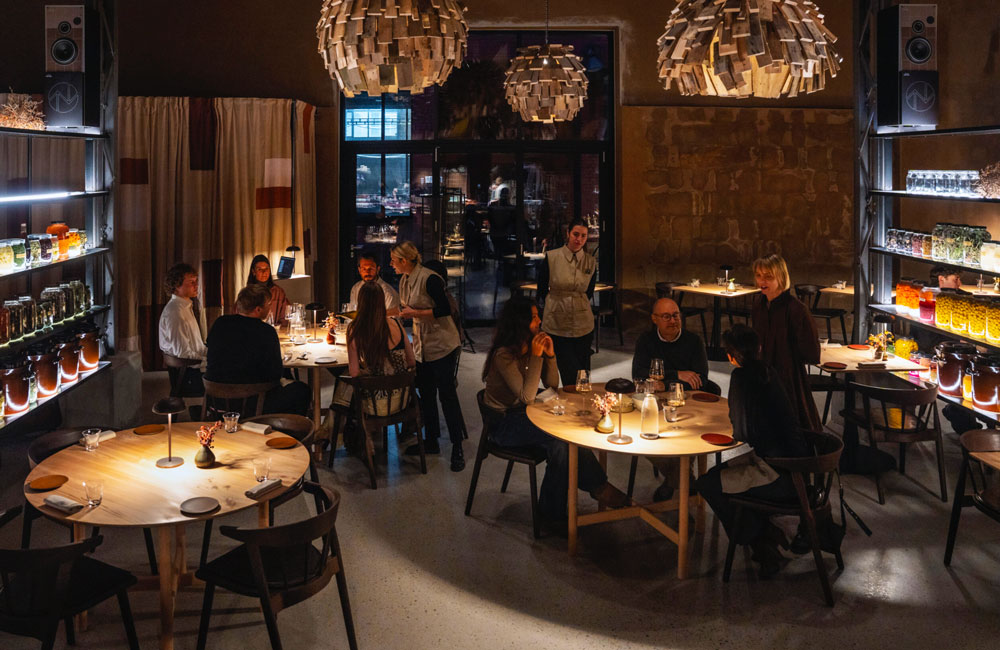
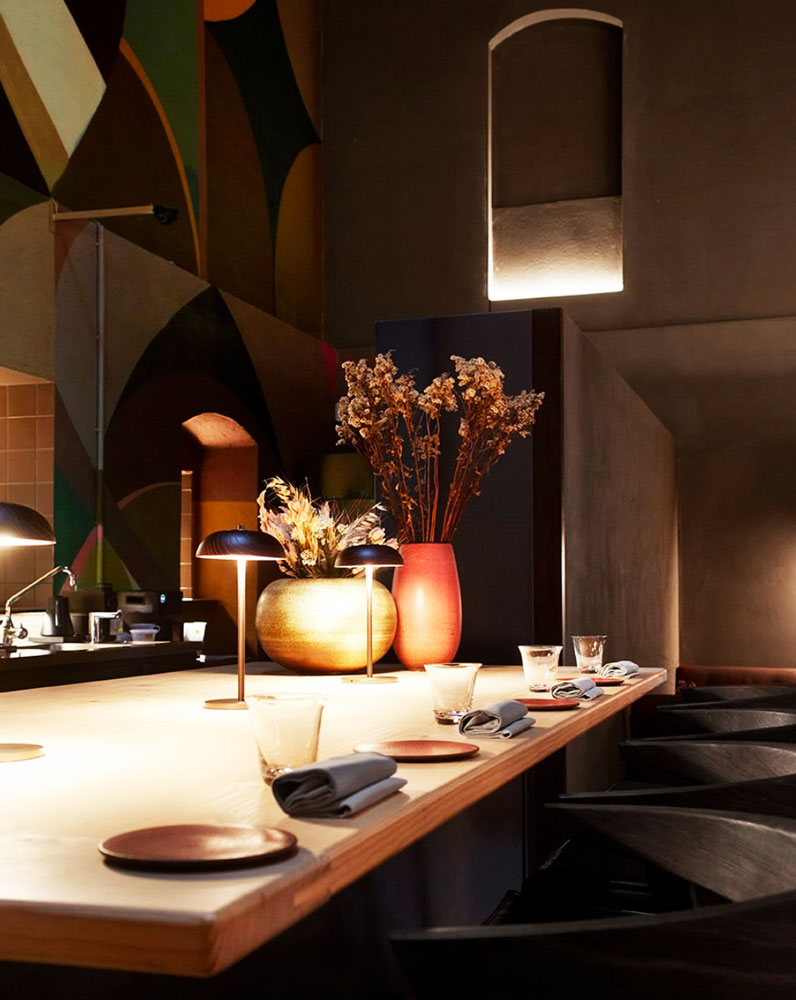
Inside, original industrial elements provide texture without making the room feel severe. Wooden tables, exposed brick, raw metal, contemporary murals, and suspended timber lighting soften the warehouse proportions. Approximately 40 seats preserve a sense of intimacy, while a small number of places facing the open kitchen bring guests directly into the restaurant’s creative rhythm.
The mood is polished but deliberately unceremonious. Music, relaxed service, and the visible movement of the kitchen prevent the room from becoming overly reverential. This is fine dining that expects attention, not silence.
Culinary Philosophy
ESSE begins with regenerative and organic farming practices, allowing Danish produce and the changing seasons to determine the menu. Seafood may occasionally arrive from neighbouring Norway, but the kitchen’s principal inspiration remains Denmark and the possibilities contained within each ingredient.
Orlando’s approach challenges the conventional hierarchy of luxury. Prestige is not automatically assigned to caviar, lobster, or other expensive ingredients. Value is instead created through technique, time, fermentation, preservation, and the ability to recognize potential in materials that many kitchens would discard.
Vegetable skins can become concentrated seasonings. Fish bones can be processed into flour and transformed into noodles or crisp shells. Dairy by-products, stems, peelings, and mature produce are treated as starting points rather than remnants. Nothing feels included simply to prove a point; each transformation must ultimately justify itself through flavour.
The Menu
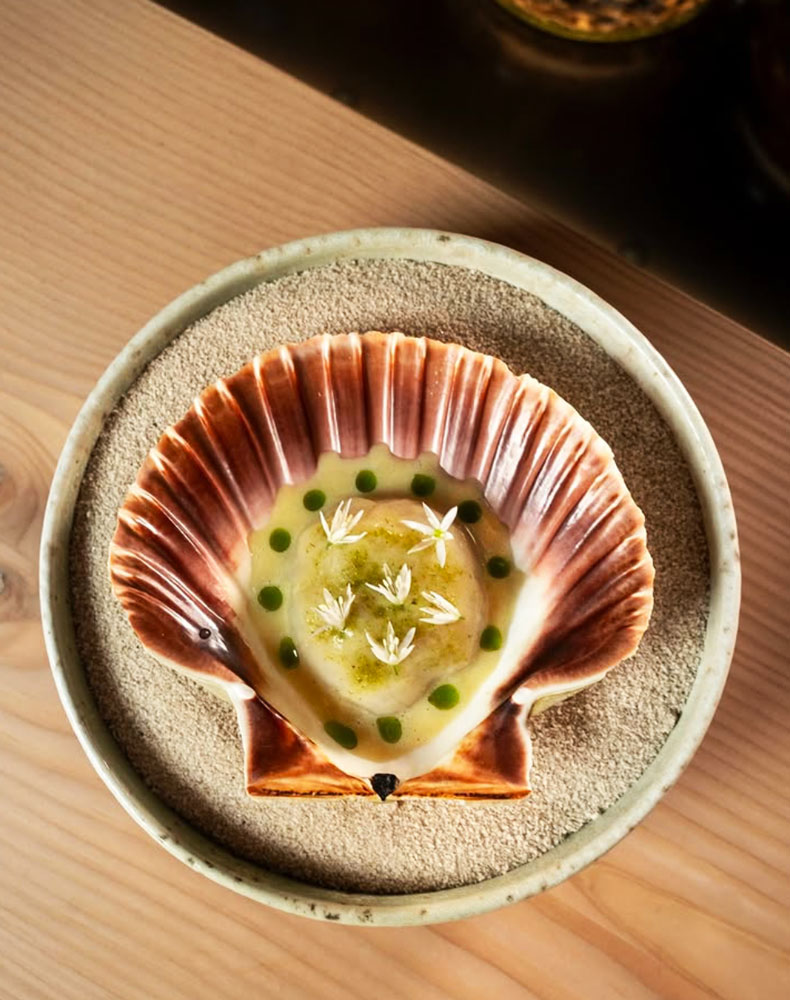
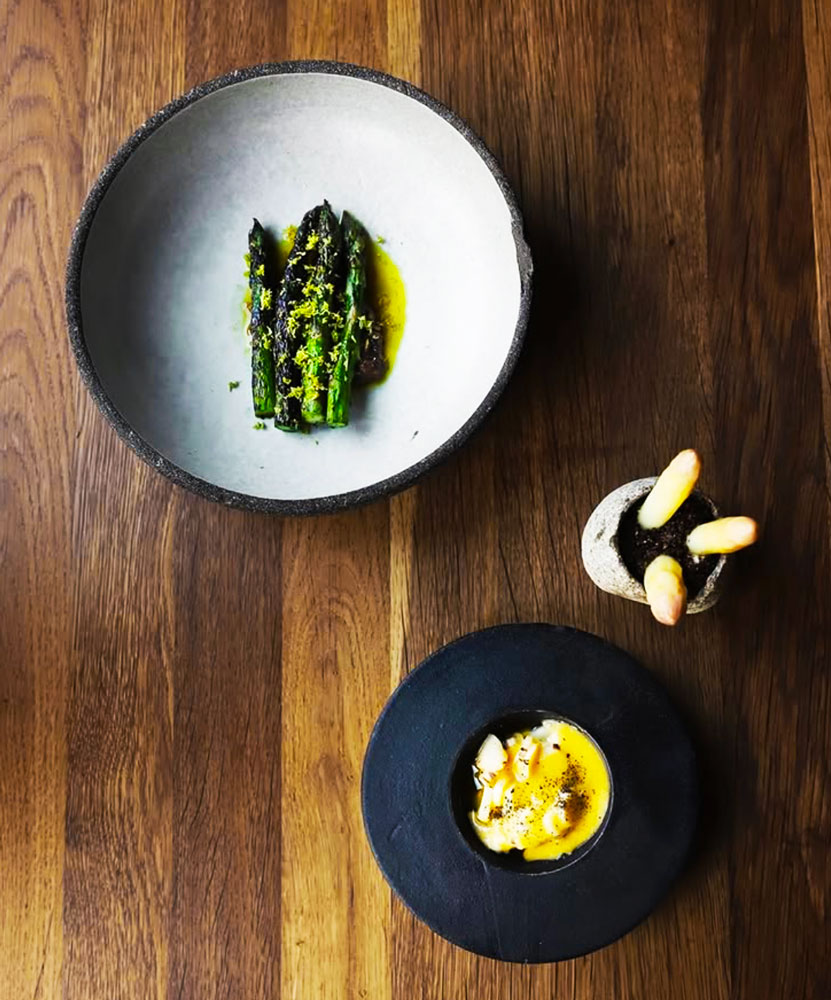
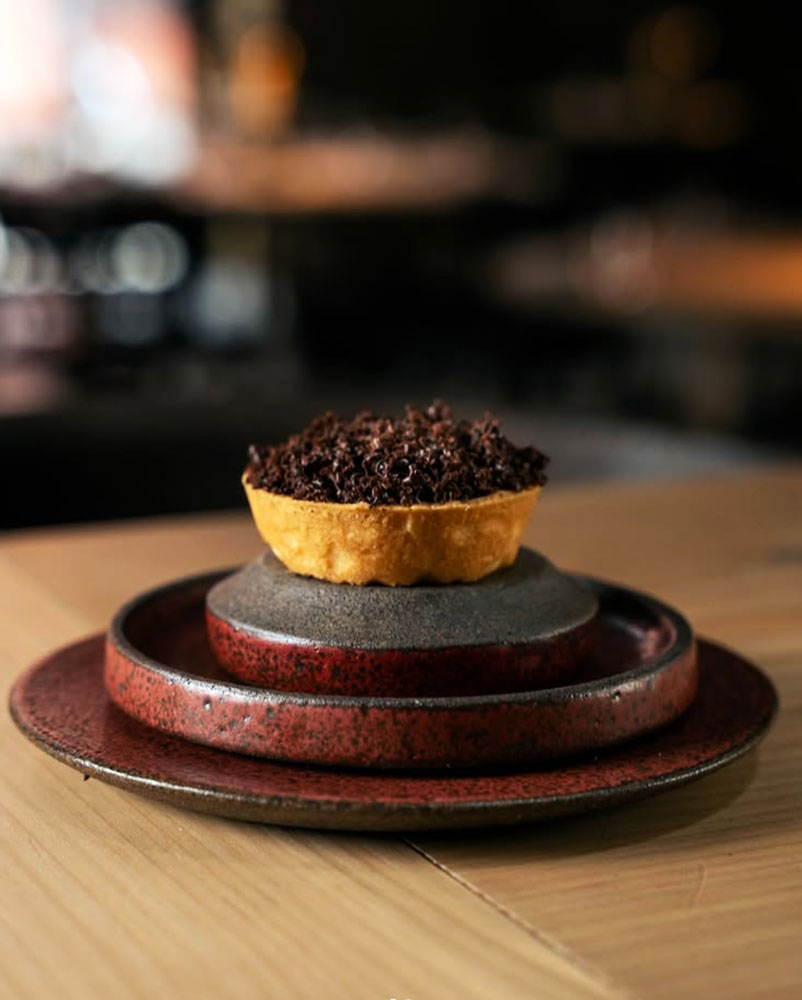
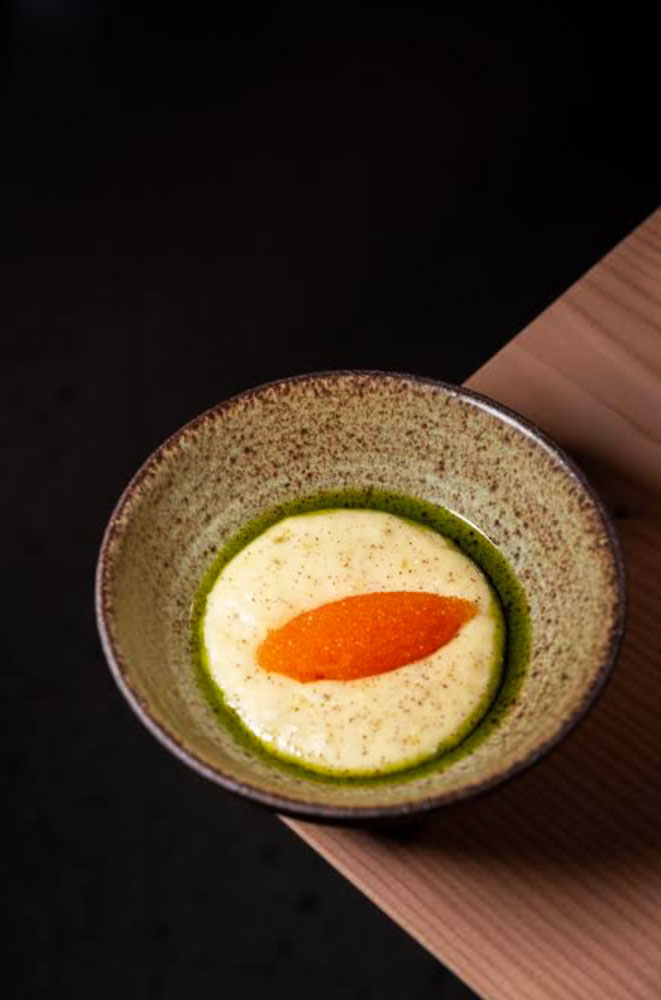
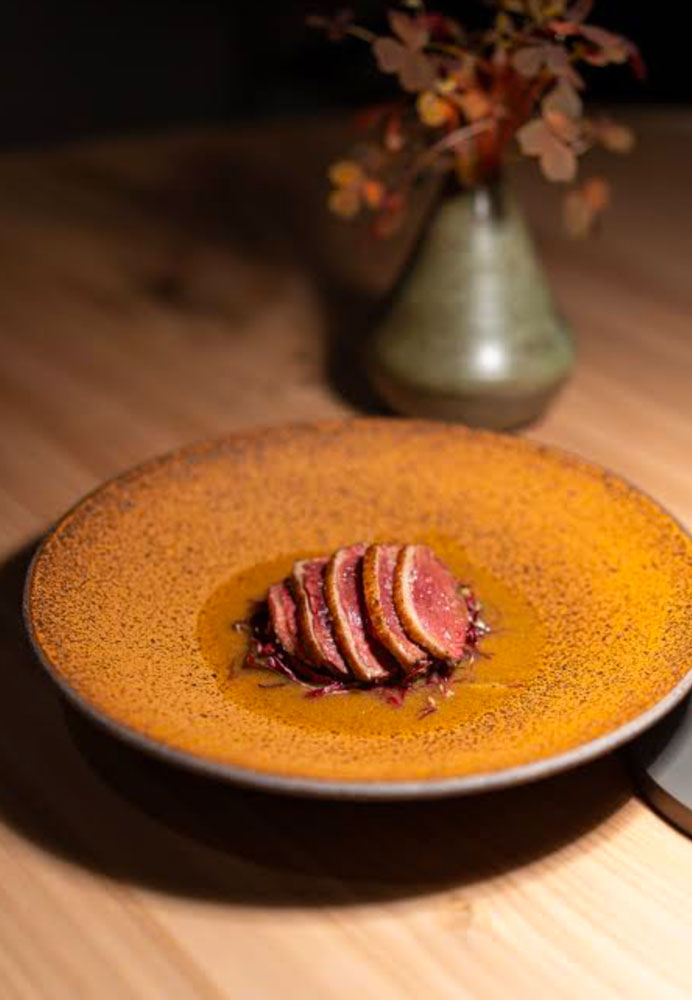
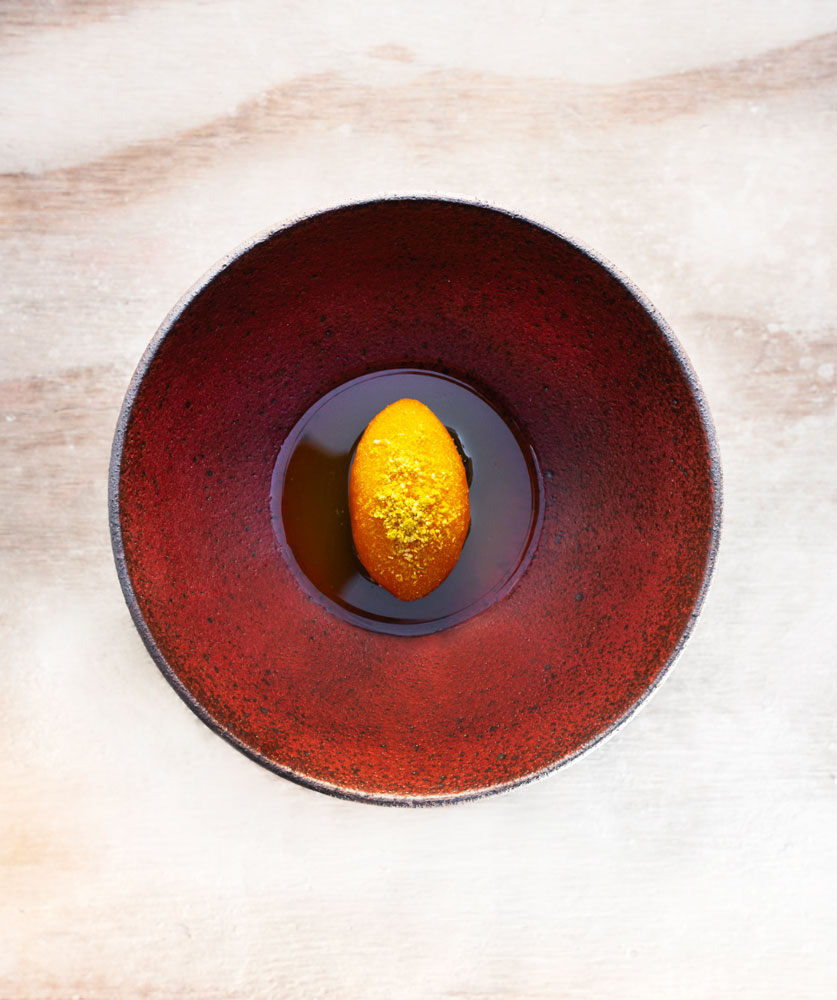
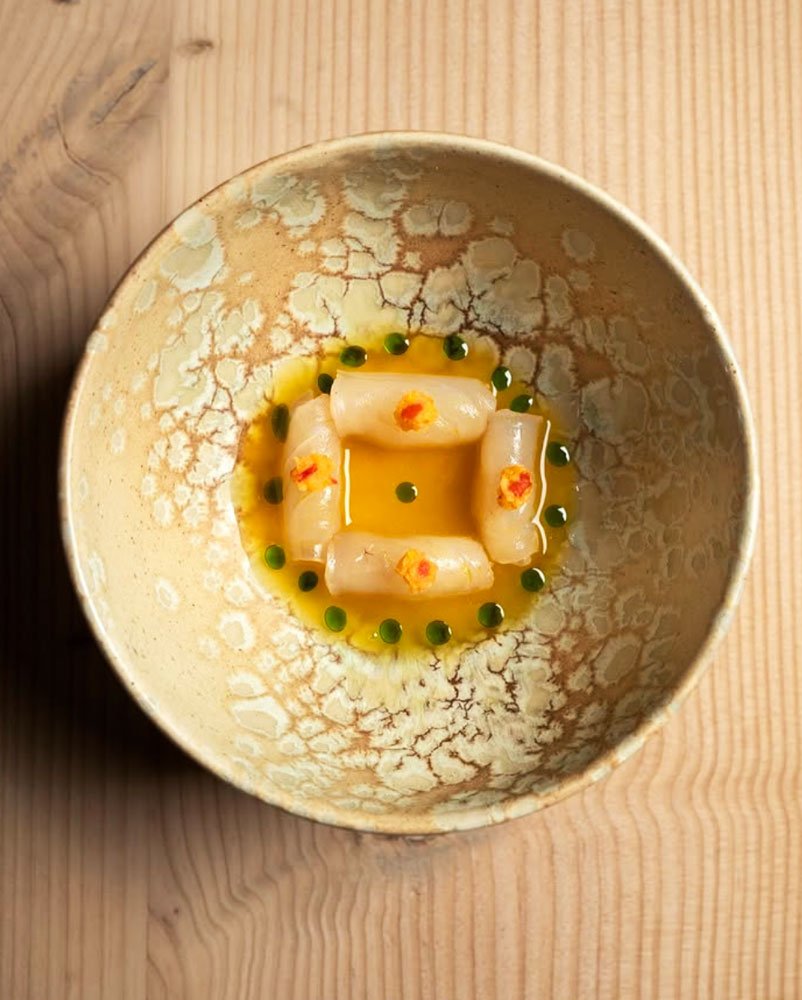
Guests may choose between the ESSE Menu and the longer ESSE Journey Menu, with dishes changing according to season and availability. Current compositions may bring together fjord shrimp with smoked cultured cream, alliums, and seaweed, followed by zander with dashi, magnolia, and fennel flower.
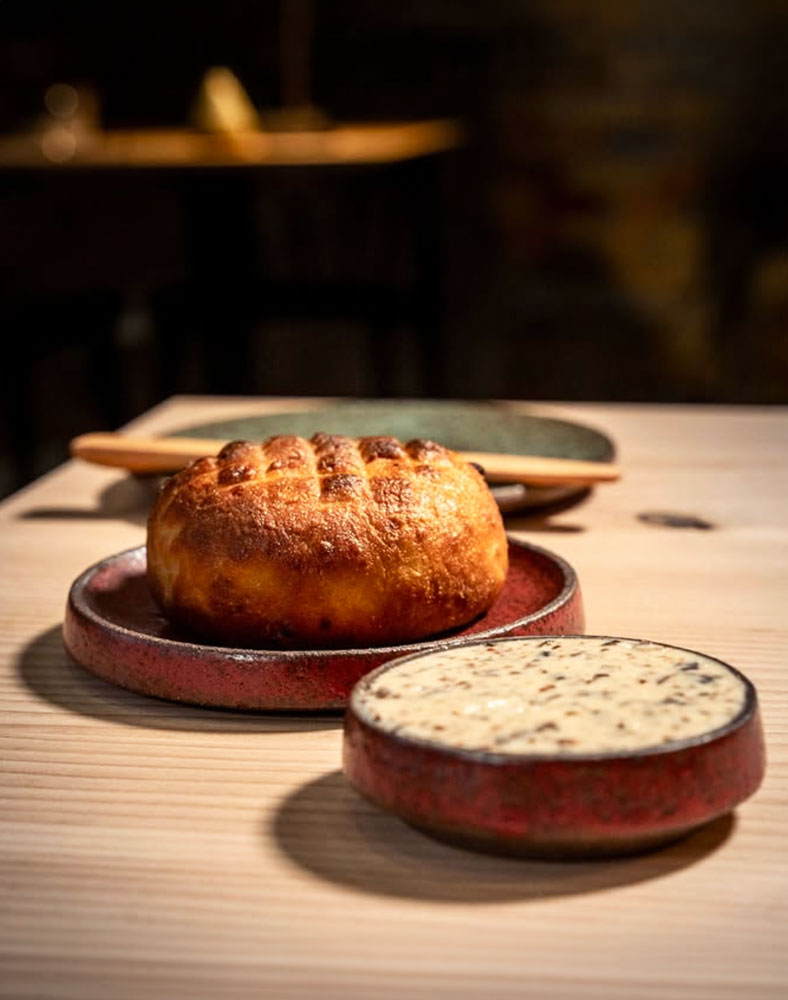
Fermented potato bread served with house-cultured butter reflects Orlando’s talent for turning apparent simplicity into one of the meal’s defining moments. Elsewhere, celeriac may be paired with reduced whey, spruce, and spring shoots, while chicken breast is given depth through walnut, kombu, and lemongrass.
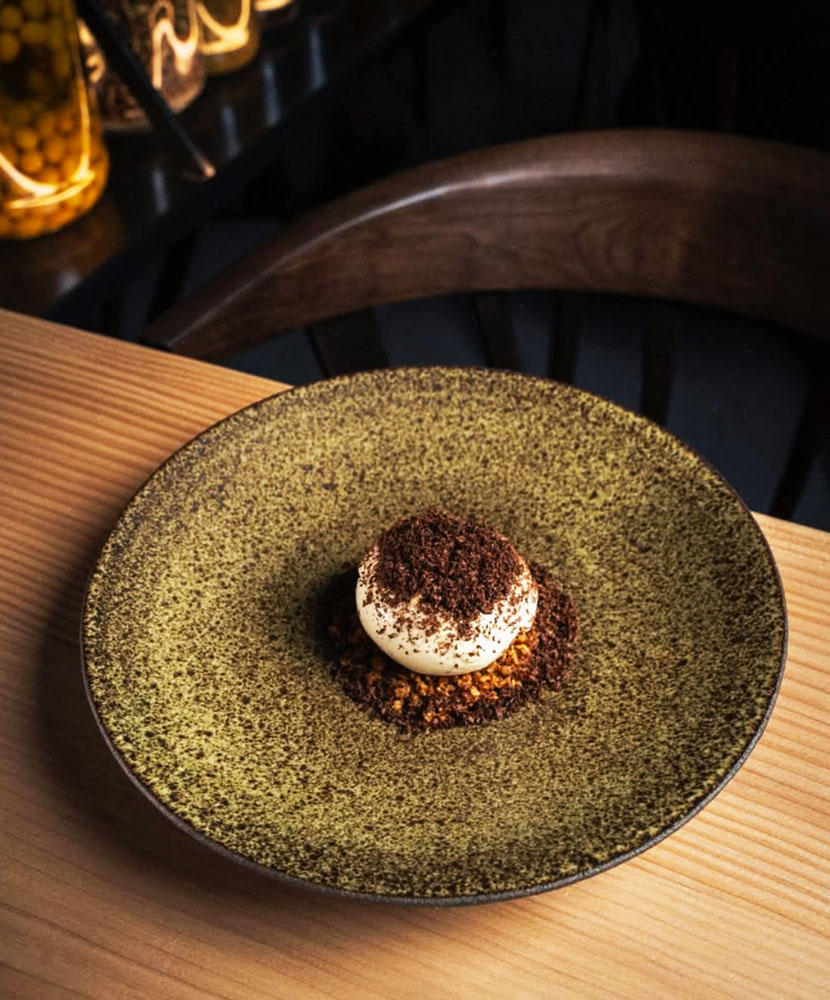
Dessert continues the restaurant’s preference for contrast rather than straightforward sweetness. Milk ice cream from Søtofte might appear with noble fir and burnt beetroot meringue, balancing creaminess, forest aromatics, acidity, and gentle bitterness.
The longer journey allows the kitchen’s philosophy to unfold more completely. Courses often reveal several lives of the same ingredient, showing how fermentation, dehydration, extraction, and careful reuse can generate entirely different textures and flavours.
Wine & Pairings

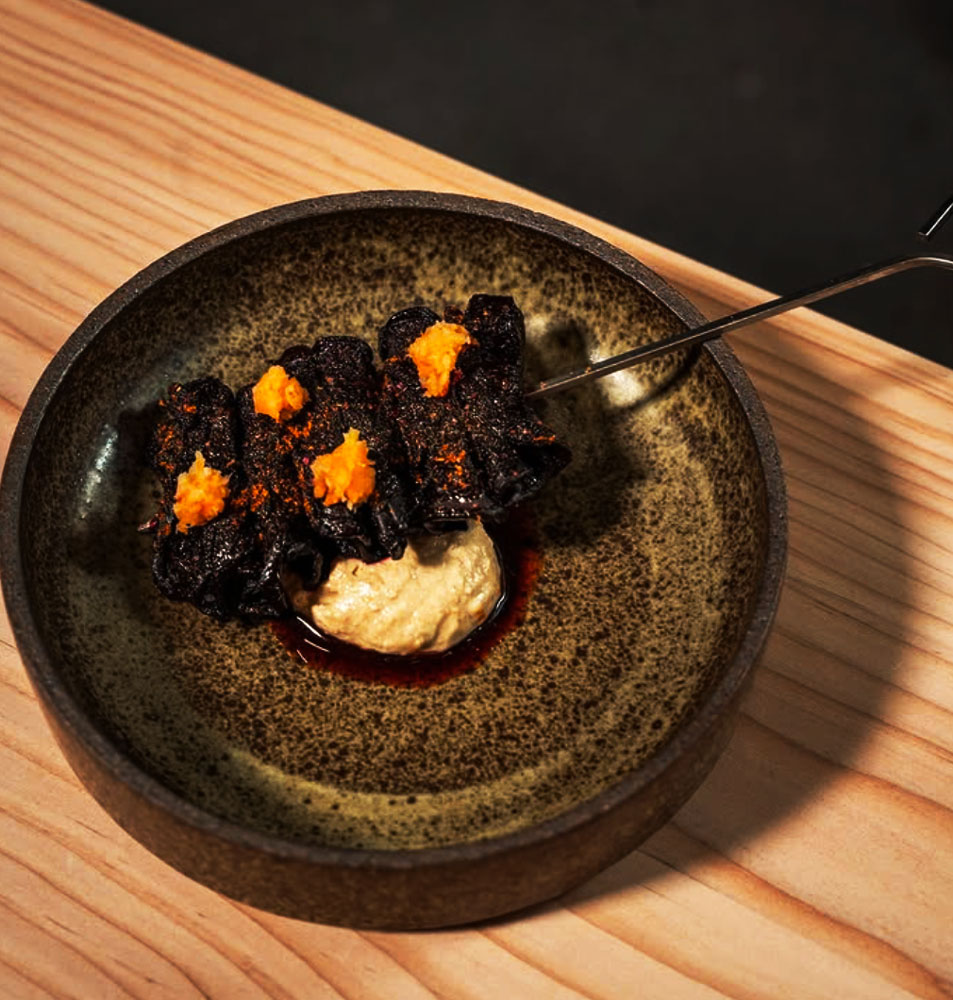
ESSE’s wine programme leans toward bottles that reflect place, responsible production, and the restaurant’s naturally expressive cooking. Pairings are selected to complement fermentation, smoke, acidity, vegetables, and layered savoury flavours rather than overwhelm them.
The non-alcoholic pairing is treated with comparable seriousness. House-made infusions, ferments, teas, botanical preparations, and fruit-based drinks create an experience with its own rhythm instead of functioning as a diluted alternative to wine.
Guests who prefer a less structured evening can allow the team to recommend individual glasses. The service style remains informed and attentive without turning every pour into a dissertation—Copenhagen has enough philosophy already.
Service & Experience
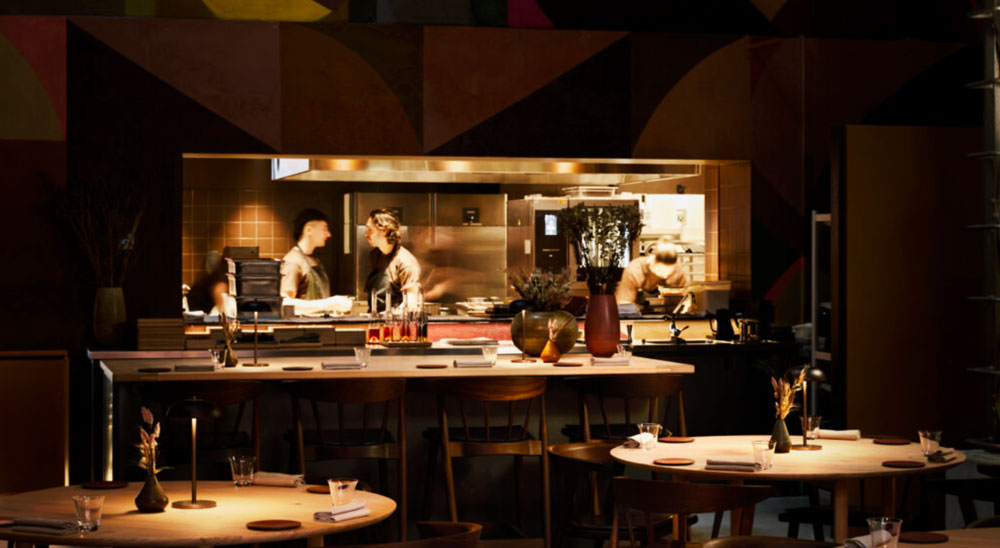
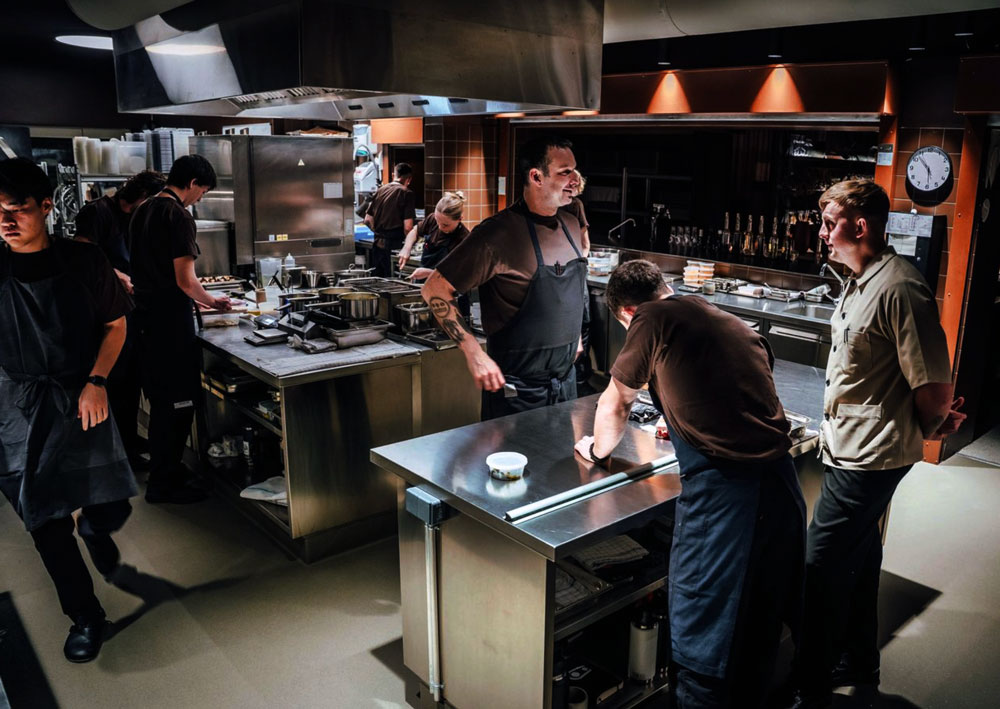
Service at ESSE reflects the restaurant’s broader character: knowledgeable, relaxed, and free from unnecessary ceremony. Members of the culinary team may present courses themselves, creating a direct connection between the kitchen’s ideas and the finished plate.
The experience is best approached with time. The longer menu unfolds gradually, moving between concentrated bites, composed dishes, bread, vegetables, seafood, meat, and dessert. Despite the technical work behind each course, the evening feels welcoming rather than theatrical.
ESSE is also notable for how clearly it communicates its principles without allowing them to dominate the conversation. Guests may leave understanding more about circular food systems, but the lasting memory is more likely to be a remarkable sauce, a piece of fermented bread, or an ingredient transformed beyond recognition.
Location & Access
ESSE is located at Trelleborggade 13A and 13B in Nordhavn, north of central Copenhagen. Nordhavn station provides access by S-train, while the M4 Metro line connects the district with the city centre and Copenhagen Central Station.
The surrounding neighbourhood is worth exploring before dinner. Former harbour buildings, contemporary residential projects, waterfront promenades, bathing areas, cafés, and design-led spaces reveal one of Copenhagen’s most ambitious urban transformations.
Travellers staying around Kongens Nytorv, Nyhavn, or the historic centre can reach ESSE relatively easily by Metro. A taxi remains convenient for a late return, particularly after the full tasting journey.
Keepsakes
ESSE captures a quieter evolution in contemporary luxury. Its distinction does not come from abundance, imported rarity, or elaborate presentation alone, but from intelligence applied to what is already available.
Matthew Orlando’s return to Copenhagen feels less like a revival than a progression. In a city already famous for challenging culinary convention, ESSE asks a practical question: how much pleasure can be created when nothing is considered insignificant?
The answer arrives across an evening of deeply flavoured dishes, warm hospitality, and transformations that rarely announce their difficulty. ESSE does not ask guests to admire sacrifice. It shows them that a more responsible future can still taste extraordinarily good.

ESSE
Trelleborggade 13A / 13B
2150 Copenhagen CPH
+45 41101039