Vienna has never treated music as background entertainment. Here, it is stitched into the identity of the city, carried through gilded concert halls, imperial apartments and cafés where conversations still seem to move at the pace of a waltz. Nowhere is that relationship more vivid than at the Vienna State Opera, where an evening performance becomes one of the Austrian capital’s defining experiences.
The night begins before the orchestra plays its first note. Guests arrive beneath the illuminated arches of the opera house, evening coats disappearing into the foyer as the grand staircase slowly fills. There is an unmistakable sense of occasion, but little of the stiffness that can surround the world’s most celebrated cultural institutions. Vienna understands that elegance works best when it appears effortless.
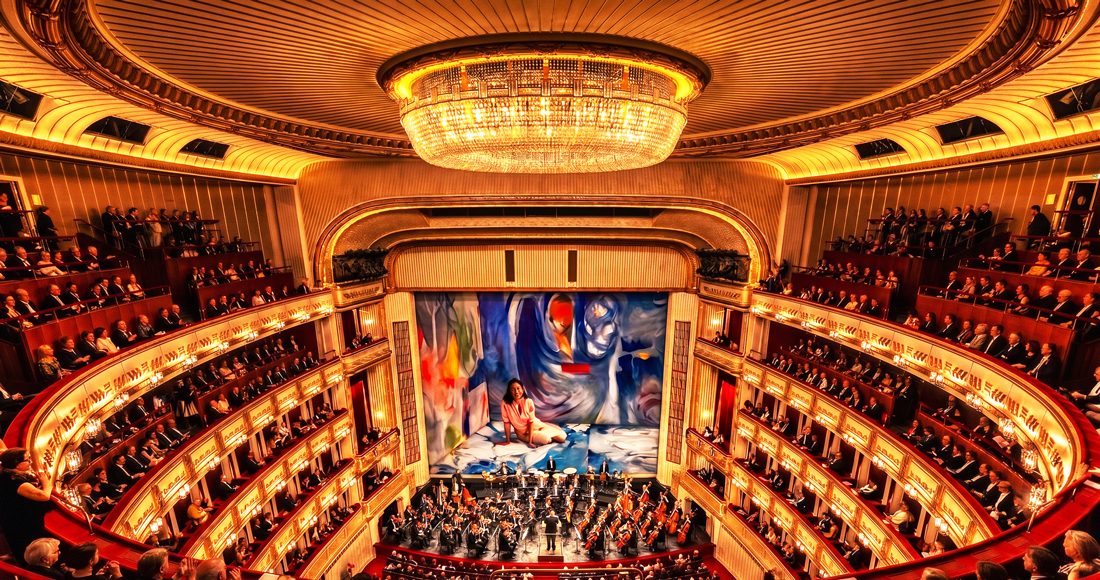
Inside the auditorium, the room falls quiet, the conductor lifts the baton and the scale of the house suddenly becomes intimate. Whether the programme is Mozart, Verdi, Puccini, Wagner or a production by the Vienna State Ballet, the evening is shaped by the same rituals: the hush before the overture, the first glimpse of the stage, the measured promenade during intermission and the exhilaration of a final curtain call.
For Those Who Seek
- One of Europe’s most storied opera experiences
- Grand architecture and enduring Viennese ceremony
- Internationally renowned singers, conductors and musicians
- An elegant cultural evening in the heart of the city
- Champagne, conversation and old-world atmosphere between acts
Legacy
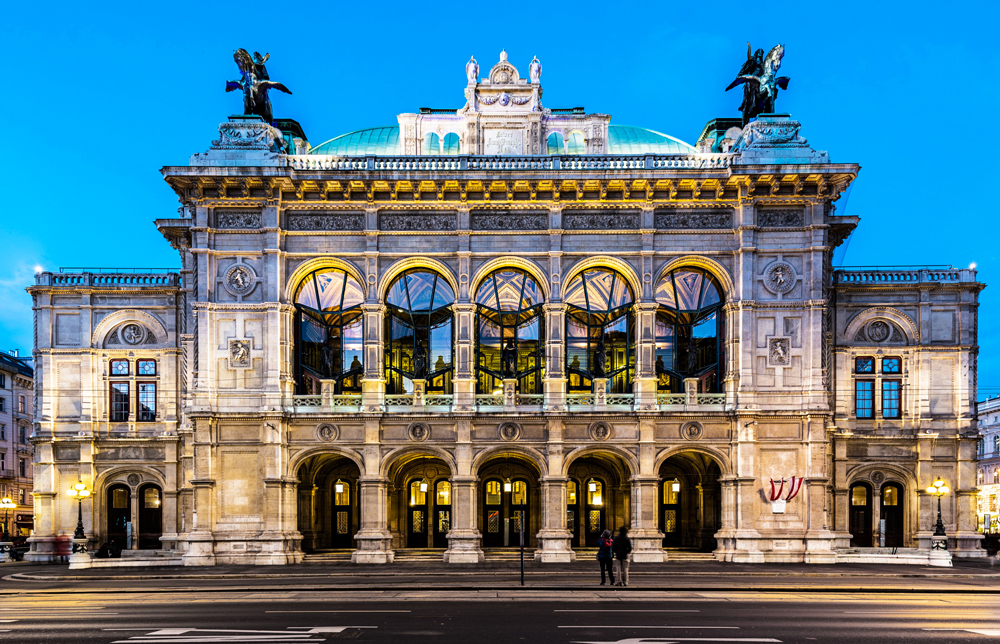
The Vienna State Opera opened on May 25, 1869, with Mozart’s Don Giovanni. Originally known as the Vienna Court Opera, the house rose along the newly created Ringstrasse as a monumental expression of imperial Vienna’s cultural confidence. Its architects, August Sicard von Sicardsburg and Eduard van der Nüll, designed a building that combined Renaissance-inspired grandeur with the theatricality expected of one of the Habsburg capital’s most important public stages.
The opera reached a transformative period under Gustav Mahler, who served as director around the turn of the 20th century. Mahler tightened artistic standards, strengthened the ensemble and changed the relationship between music, staging and dramatic storytelling. His presence remains embedded in the building, most visibly in the Gustav Mahler Hall used by audiences during intermission.
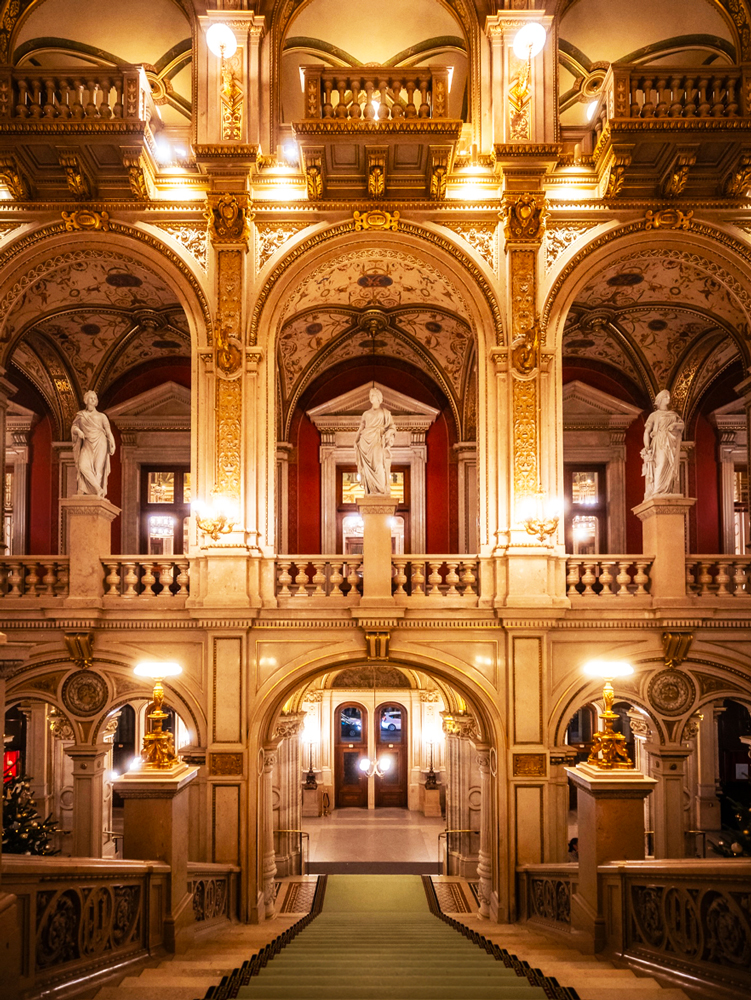
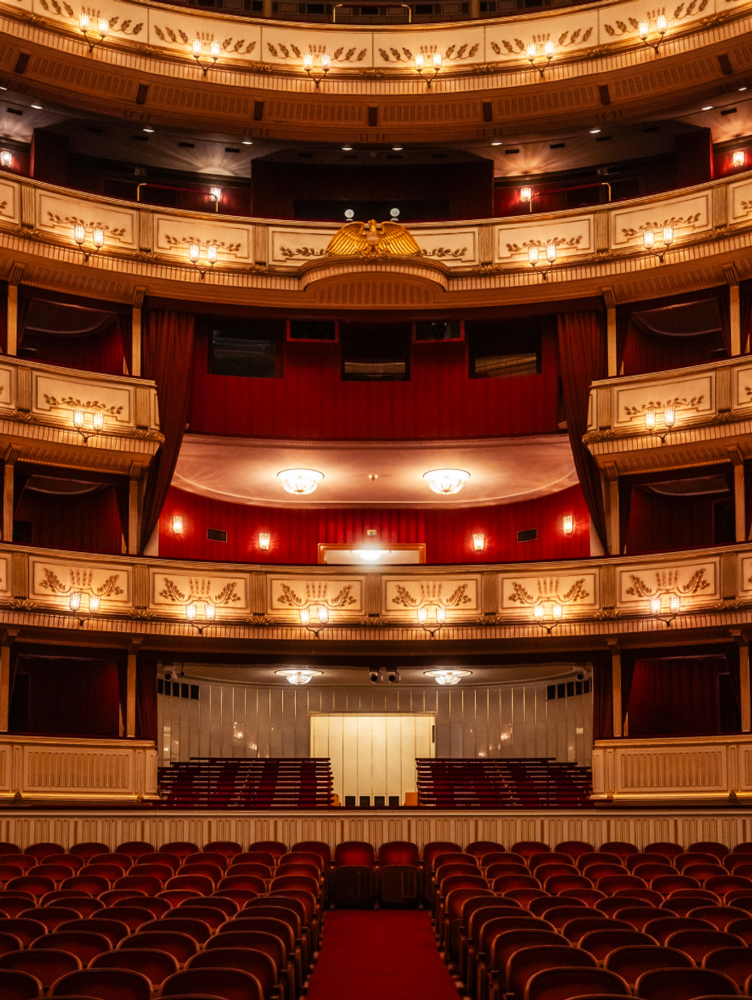
Large parts of the opera house were destroyed during the Second World War. The façade, grand staircase and Schwind Foyer survived, while the auditorium and stage required reconstruction. The building reopened on November 5, 1955, with Beethoven’s Fidelio, an occasion seen across Austria as a symbol of cultural renewal.
Location & Access
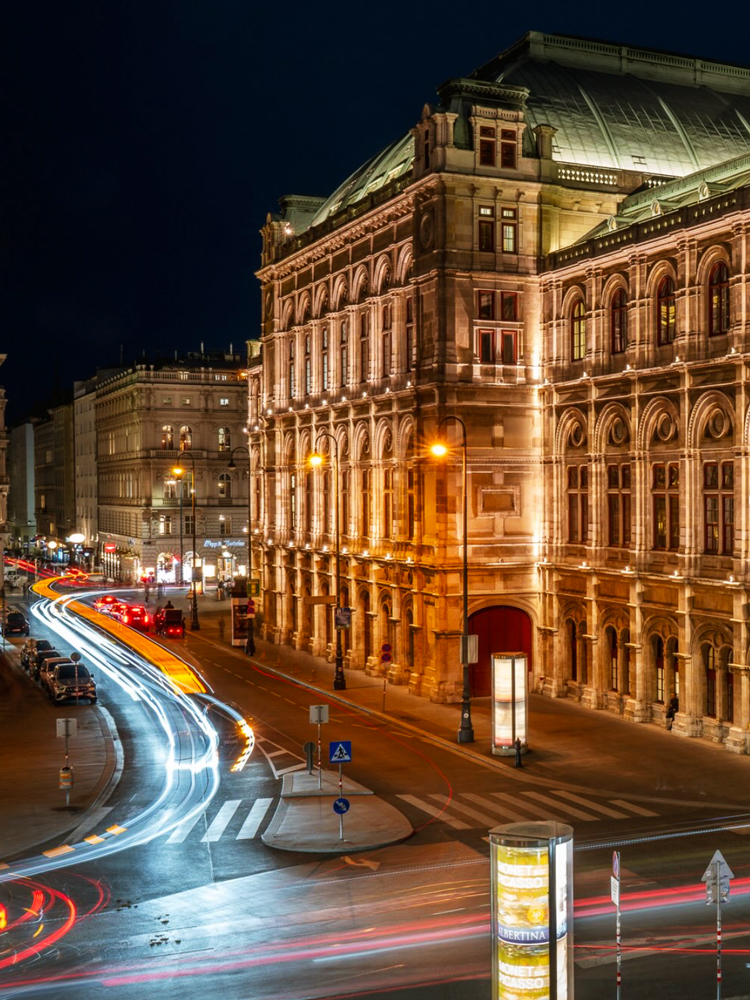
The Vienna State Opera stands at Opernring 2 in the historic first district, positioned where the Ringstrasse meets Kärntner Strasse. St. Stephen’s Cathedral, the Albertina, the Hofburg and many of Vienna’s grandest hotels and restaurants are within walking distance, making the performance easy to incorporate into a wider evening in the city centre.
The nearby Karlsplatz transport hub provides convenient access by underground, tram and bus. Guests arriving by private car or taxi can be dropped close to the entrance, although central Vienna is especially atmospheric on foot. Approaching from Kärntner Strasse allows the opera house to reveal itself gradually, its illuminated arcades appearing beyond the cafés and evening crowds.
Arrive at least 30 to 45 minutes before the performance. This leaves time for the cloakroom, a programme booklet, photographs on the staircase and a first drink without rushing. Punctuality matters: late arrivals are generally held outside the auditorium until intermission.
The Experience
The evening begins in the entrance halls, where red carpeting, marble, sculpture and sweeping staircases establish the visual rhythm of the building. The surviving historic interiors offer a glimpse of the original 19th-century opera house, while the reconstructed spaces reflect Vienna’s postwar revival.
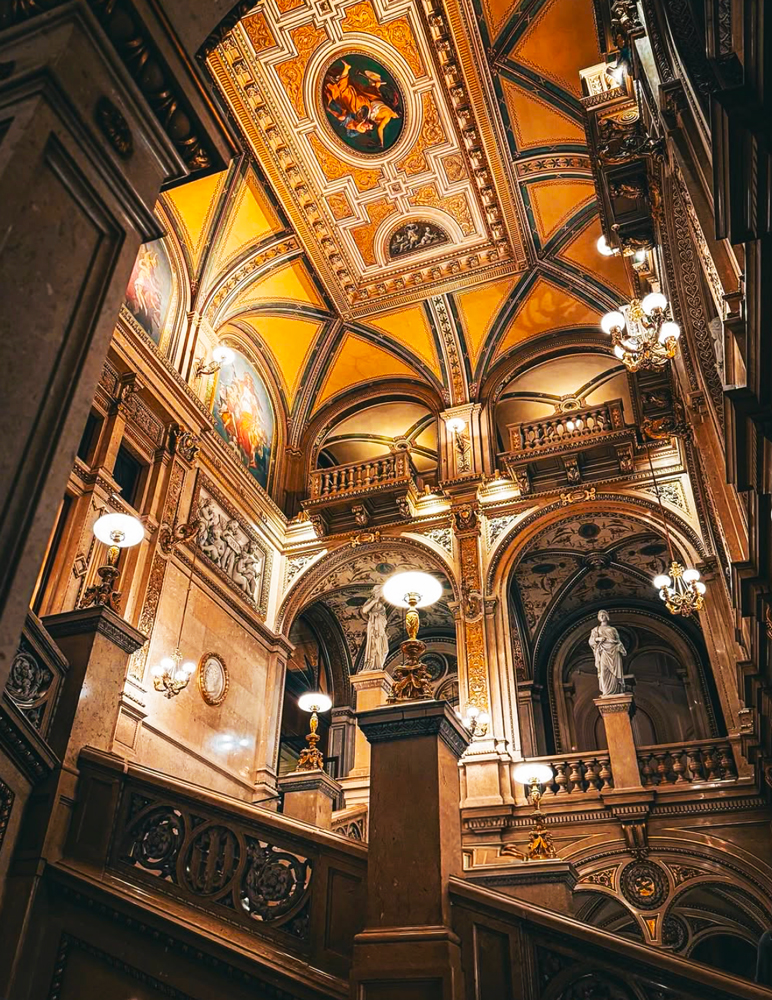
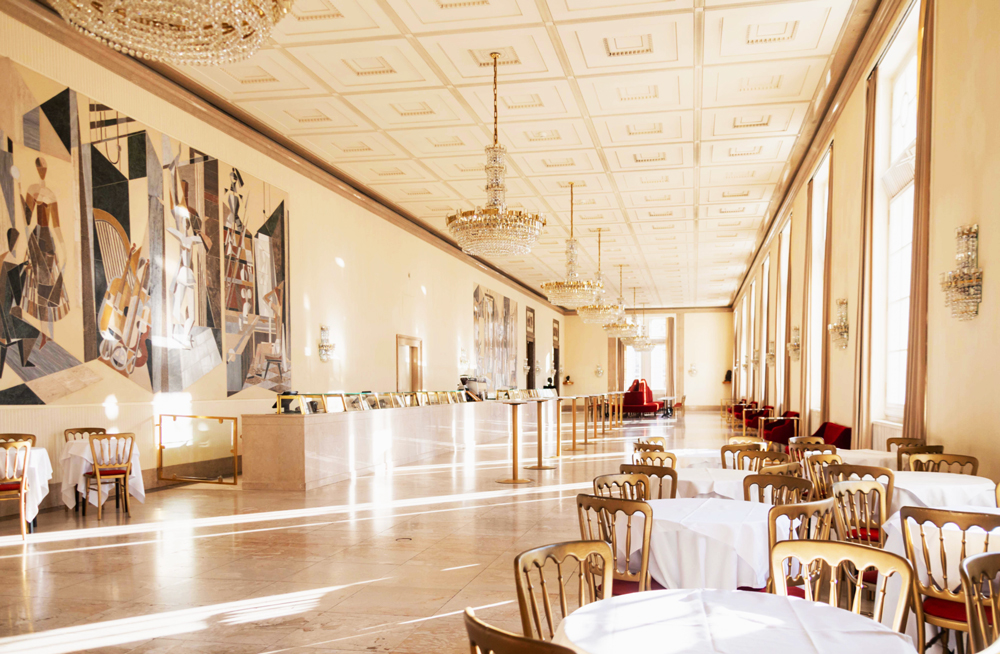
The Schwind Foyer is particularly memorable. Decorated with frescoes, sculpted busts and extensive gold leaf, it preserves much of the atmosphere of the original building. Its adjoining loggia contains scenes inspired by Mozart’s The Magic Flute, while the Gustav Mahler Hall stretches through the house as a more restrained counterpoint to the older interiors. The Marble Hall, rebuilt during the 1950s, incorporates different European marbles intended to express a vision of continental unity.
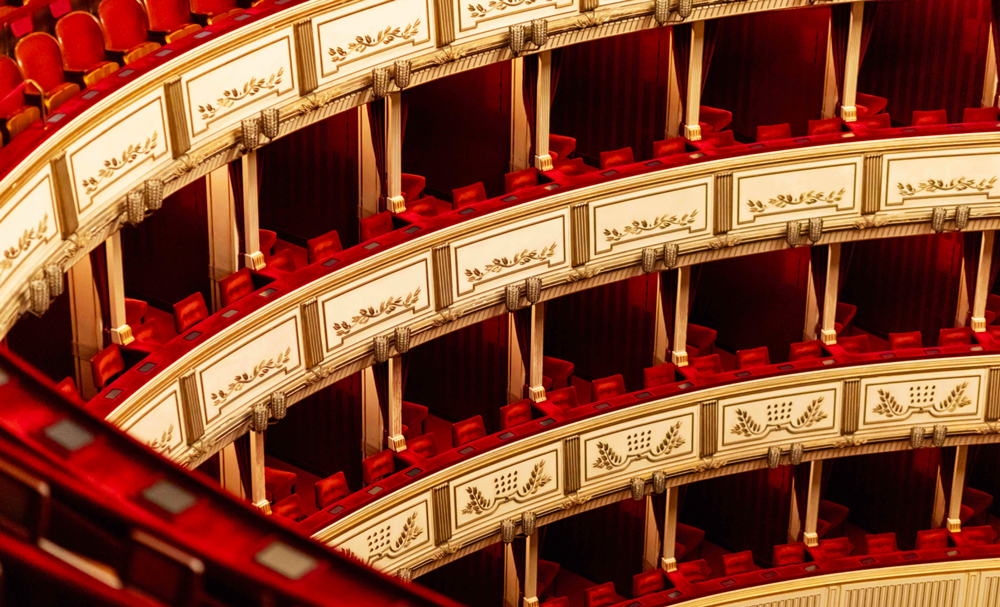
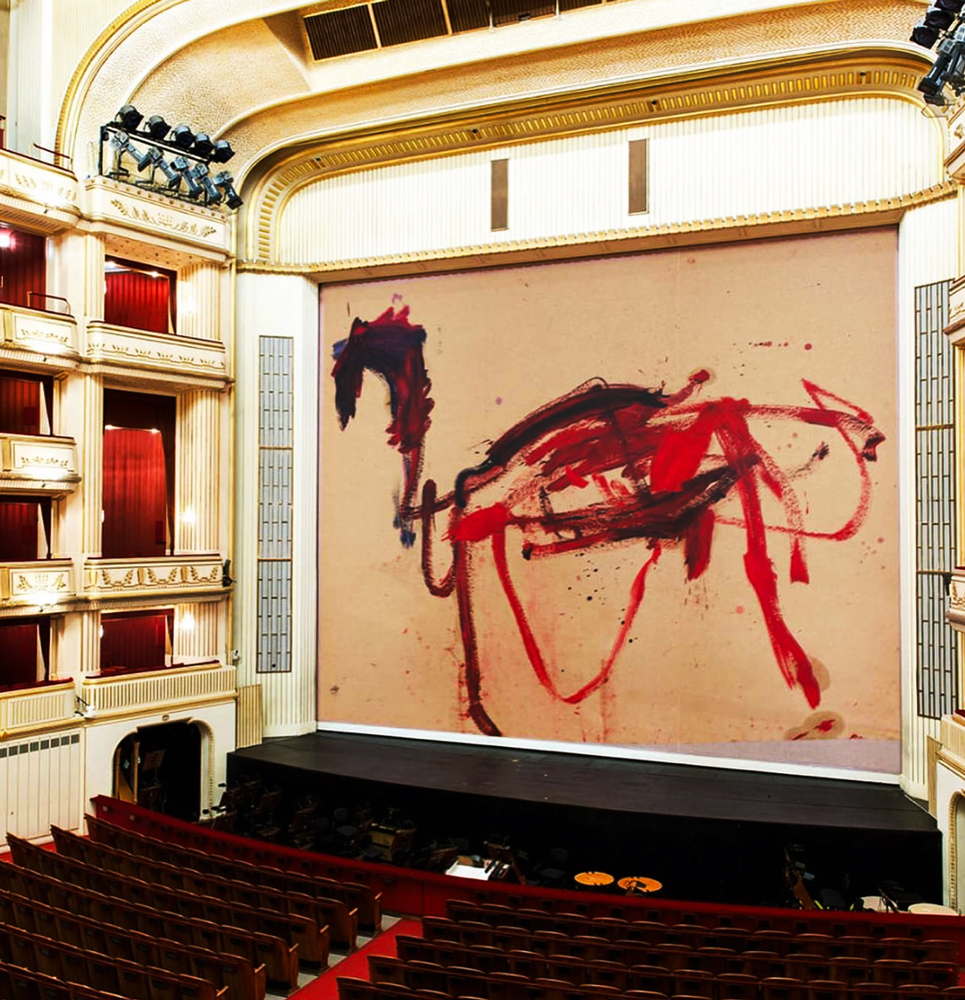
Choosing the right seat depends on what matters most. Central boxes and centrally positioned seats generally provide the most balanced view of the stage, while the front stalls create a closer connection to the performers. Some side boxes offer tremendous atmosphere but partially restricted sightlines, so the seating plan deserves careful attention before booking. The auditorium contains approximately 1,700 seats, preserving a sense of grandeur without making the stage feel impossibly distant.
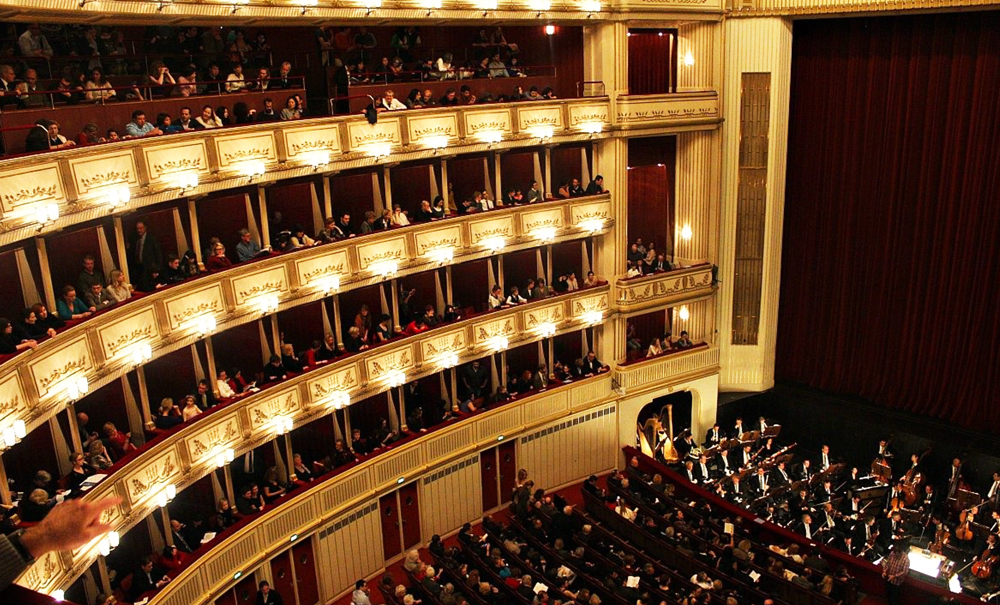
Each seated place has an individual subtitle screen. English, German and the opera’s original language are consistently available, with as many as eight languages offered for certain performances. This small piece of technology makes even an unfamiliar opera easy to follow without distracting from the stage.
The Performance
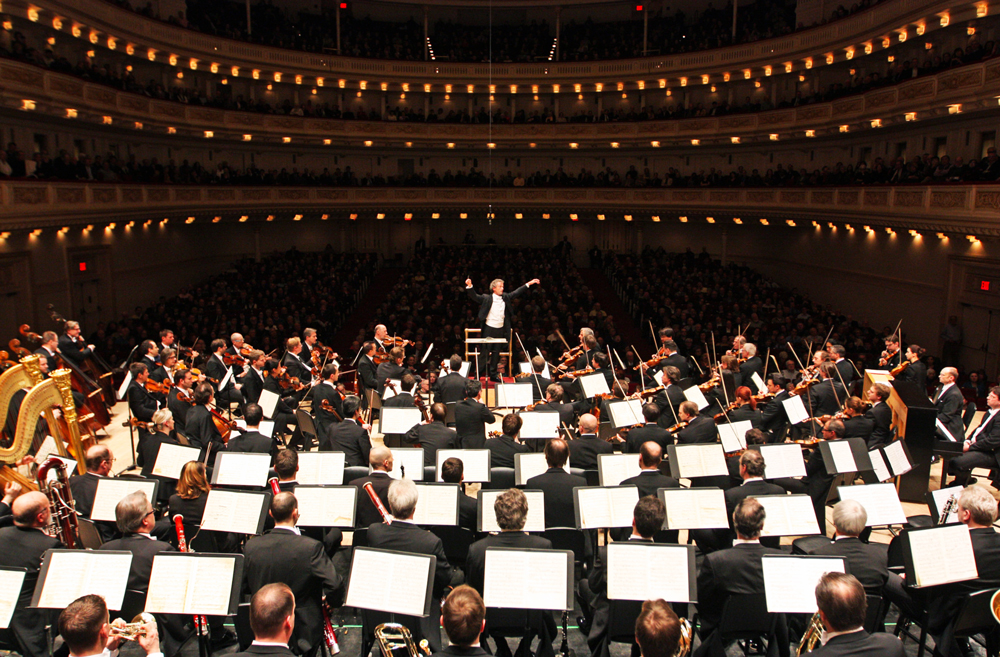
The Vienna State Opera is a repertory house, presenting a changing programme of opera and ballet across much of the year. That variety is part of its appeal. One evening may deliver the psychological intensity of Richard Strauss, another the melodic sweep of Puccini or Verdi, and another the wit and emotional precision of Mozart.
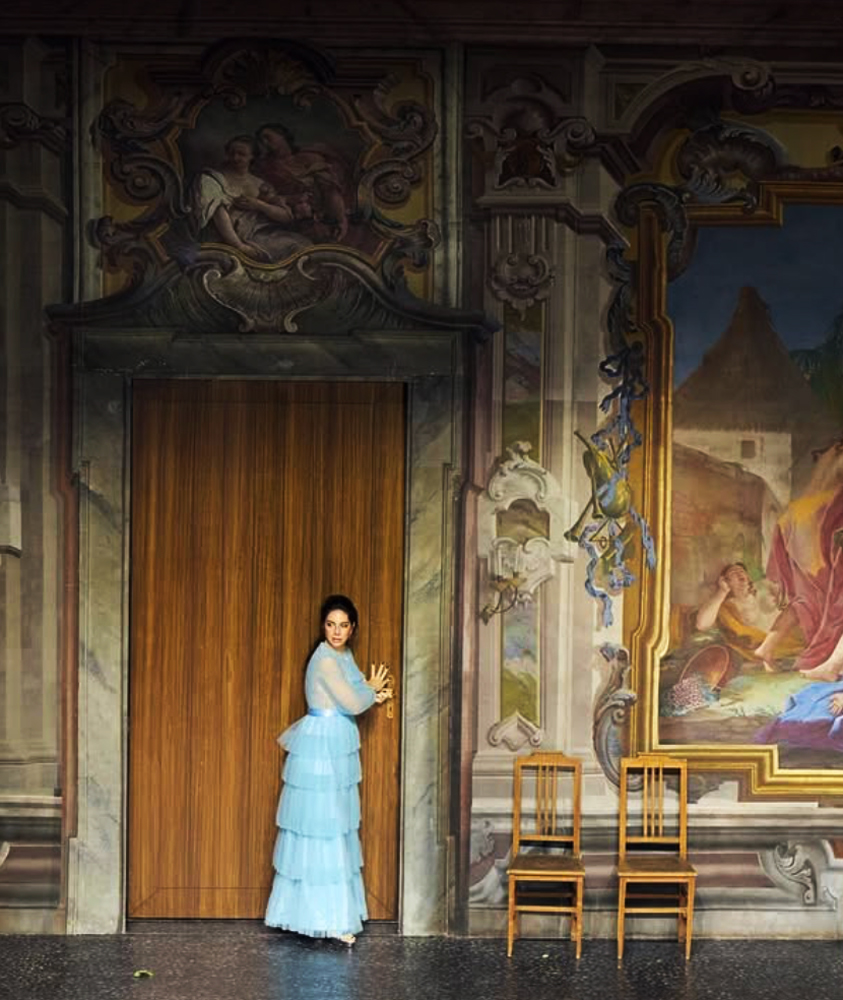
There is a pleasing tension between tradition and reinvention. Some productions lean into painted scenery, elaborate costumes and familiar period settings, while others use contemporary design to reconsider works that have occupied the repertoire for generations. The surroundings may be imperial, but the artistic experience is not required to remain trapped in amber.
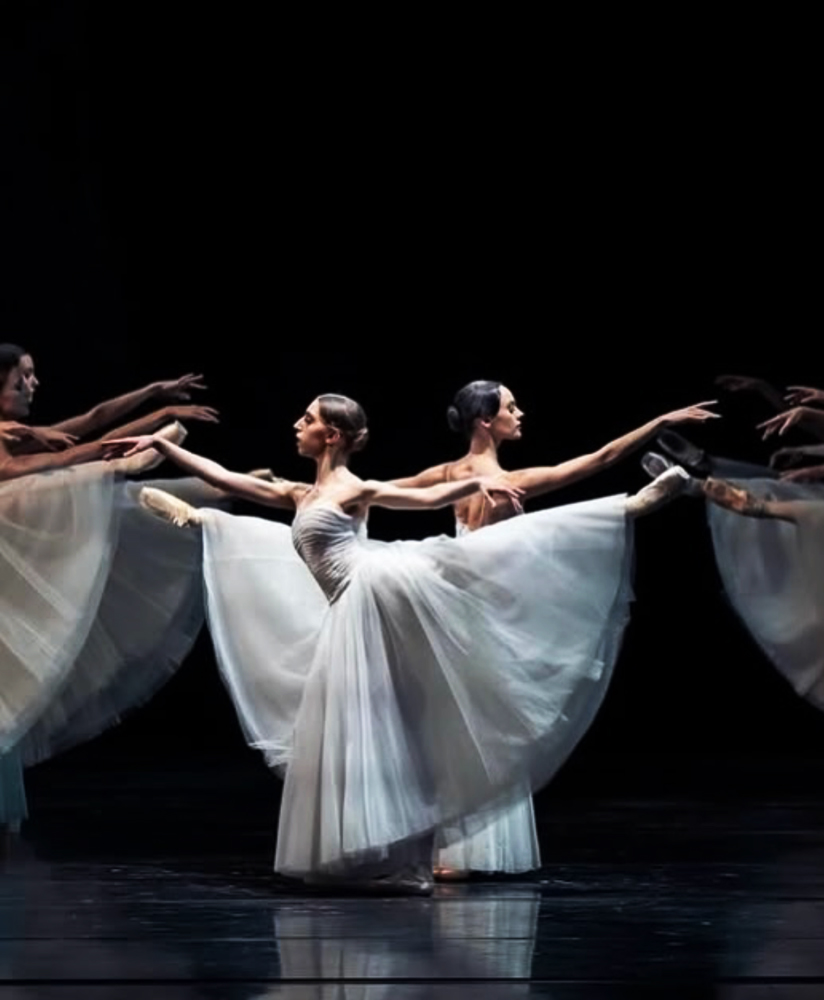
When the lights fade, the building’s social theatre gives way to the performance itself. Conversations stop, the orchestra settles and the opening notes rise from the pit. Even visitors who do not consider themselves opera devotees may find the physical power of unamplified voices and a live orchestra unexpectedly moving. Opera can be dramatic, excessive and gloriously impractical—which, for one evening in Vienna, is precisely the point.
The Intermission Ritual
Intermission is not simply a pause; it is part of the performance of the evening. Audiences move into the Schwind Foyer, Gustav Mahler Hall and Marble Hall, gathering beneath chandeliers with glasses of sparkling wine and small plates prepared by Gerstner, the opera’s catering partner.
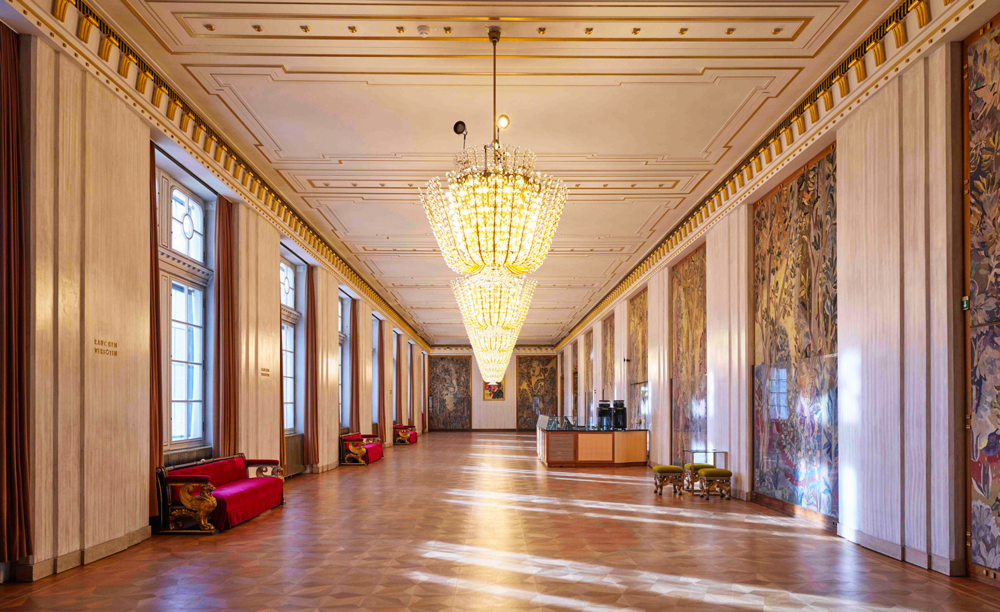
Reserving an intermission table in advance brings a welcome sense of ease. Rather than joining the busiest queues, guests can step into the foyer and find refreshments waiting. It also creates time to explore the rooms, study the frescoes and watch Vienna’s particular form of people-watching unfold around the buffet tables.
Dining & Afterglow
For a leisurely pre-opera dinner, Restaurant Rote Bar at Hotel Sacher is only steps from the opera house. Its polished dining room and elevated Viennese cooking complement the evening without requiring a complicated transfer across the city. A reservation is essential, and an early seating allows sufficient time to enjoy dinner before the curtain rises.
Inside the opera house, Café-Bar-Aperitivo serves drinks, snacks and light dishes in the foyer, while Gerstner operates the intermission buffets. This is the easiest option for guests who want the building itself to remain the focus of the evening.
After the final applause, cross to Hotel Sacher’s Blaue Bar for a cocktail or a glass of Champagne. Its intimate blue interior offers a natural setting to extend the night, especially when the performance has left too much energy in the room for an immediate return to the hotel. For something sweeter, a slice of Original Sacher-Torte provides a suitably Viennese final act.
Dressing for the Occasion
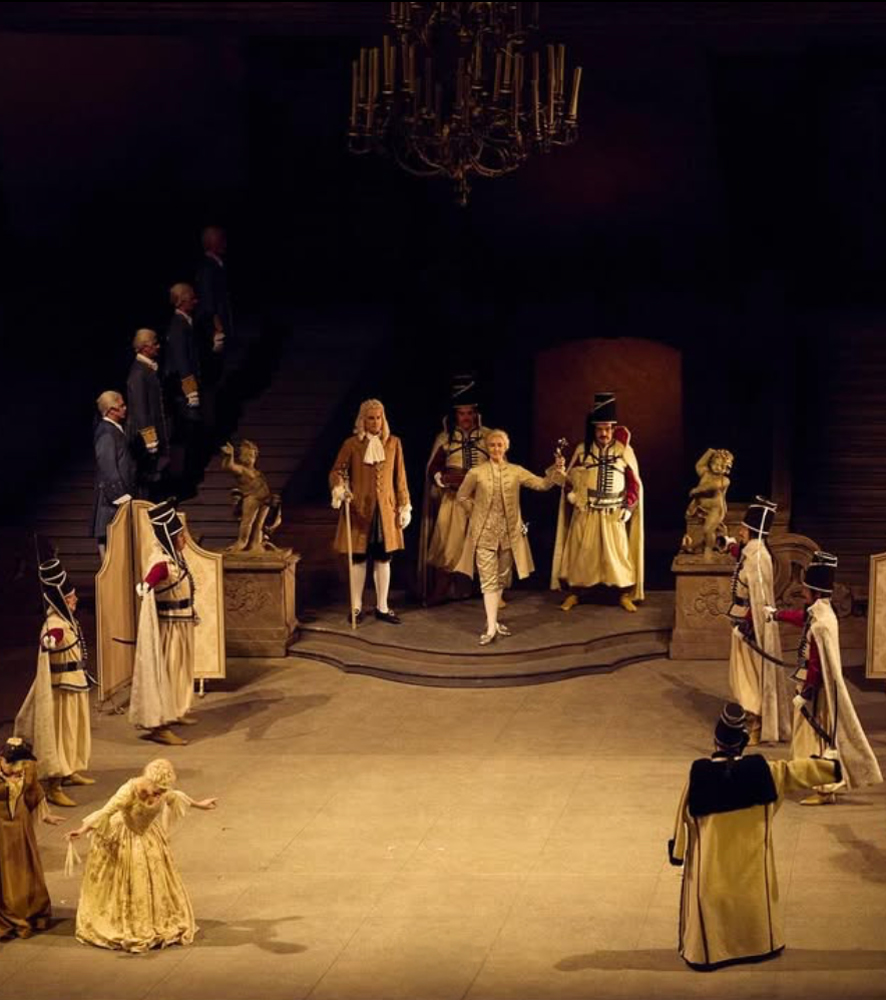
The Vienna State Opera does not impose a formal black-tie dress code for regular performances. Guests arrive in everything from understated separates to suits, cocktail dresses and eveningwear. TravLuxe recommends embracing the occasion with polished evening attire: elegant enough for the setting, comfortable enough for several hours in the auditorium.
Very casual beach-style clothing may be refused, and large hats or head coverings that obstruct another guest’s view are not permitted. Coats and bulky bags should be left in the complimentary cloakrooms.
Photography is welcome in public areas and during intermission, but filming or photographing the performance is prohibited. Phones should be silenced and put away once the auditorium lights begin to dim.
Keepsakes
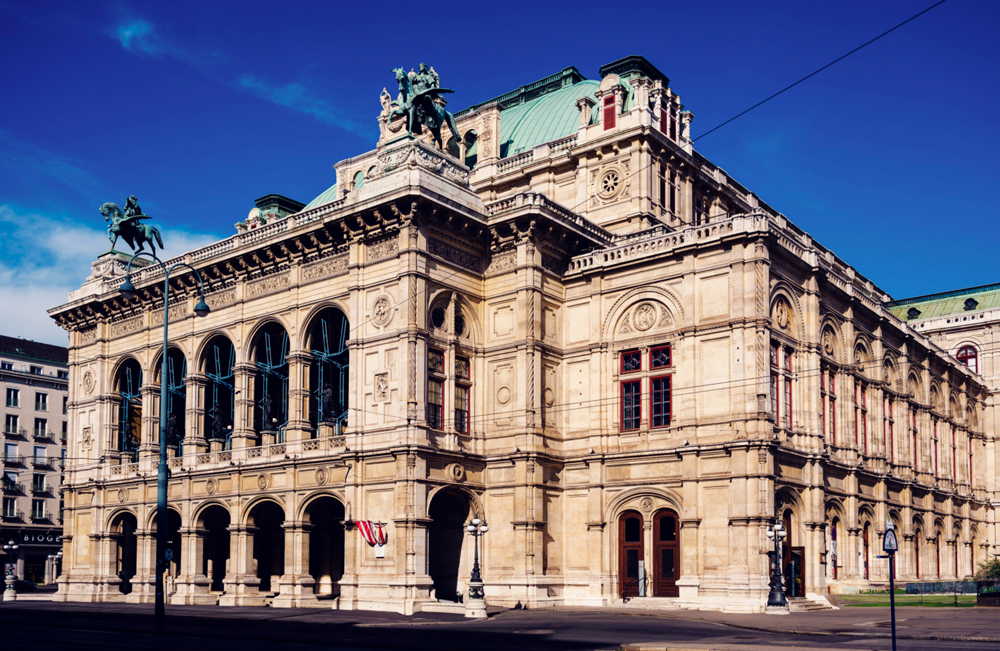
A night at the Vienna State Opera stays in the memory through fragments: the glow of the façade against the Ringstrasse, a hand resting on the velvet edge of a box, Champagne beneath the frescoes and the instant of silence before the orchestra begins.
The finest souvenir is the programme booklet carried home after the performance, its pages preserving the singers, conductor and production that belonged to that particular evening. Yet the deeper keepsake is less tangible. It is the feeling of having entered, for a few hours, a Vienna that still believes music deserves ceremony—and that a night out can rise to the level of art.

Vienna State Opera
Opernring 2, 1010 Vienna, Austria
+43 1 51444 2250
[email protected]